

Winter Dispatch: 028
Fashion is finally being forced to take skiing seriously.

The switch from “pre-winter” to “winter” doesn’t happen on a calendar. It happens when ski resorts start spinning chairs. And just like that (even though it still feels like October outside) we’re officially in it!
Today’s letter is ostensibly about fashion. But even if you think you don’t care about Gucci or Balenciaga or $18,000 skis, stick with me. Because what these luxury brands are doing on the mountain right now reveals something unexpected: ski culture has enough power now to make fashion meet it on its own terms.
Chairlift Chatter
Resorts are opening!!! Colorado is kicking things off early this year – Arapahoe Basin, Keystone, and Winter Park all opened before November. Keystone snagged the coveted “first to open” title by 17 hours, a spot Arapahoe Basin usually guards fiercely.
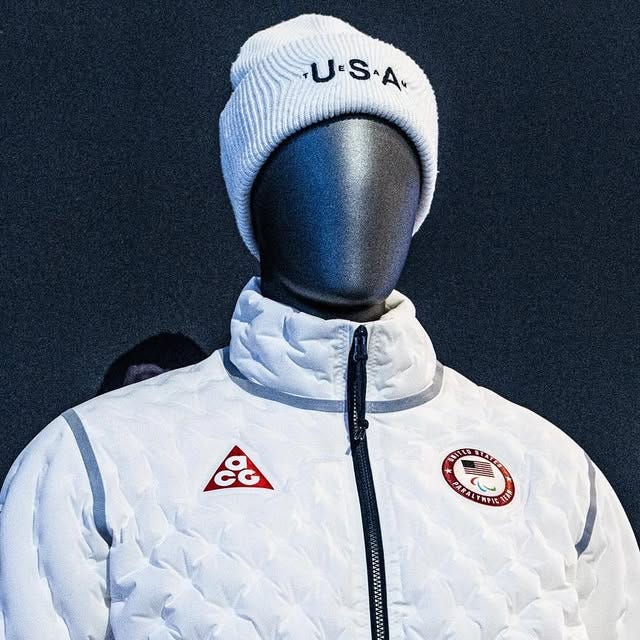
Team USA’s 2026 Olympic outfits are here. Nike unveiled a new tech innovation: the Therma-FIT Air Milano Jacket, which they’re calling their “most technically engineered garment of its kind.” The dual-layer design uses the same air technology found in Nike sneakers, allowing athletes to inflate or deflate the jacket to fine-tune warmth – from hoodie-soft to mid-weight puffer insulation. I’d like one please!
Ed Ruscha brings his “Mountain” series to Aspen Snowmass’s Art in Unexpected Places program as this year’s lift ticket artist. I love that they do this.
Luxury Goes Alpine: Why the World’s Top Fashion Houses Are Suddenly Obsessed with Ski
Fashion is finally being forced to take skiing seriously. And that tells us something interesting about ski culture’s power.
This week, three of the biggest names in luxury (Gucci, Balenciaga, and Hermès) launched major ski collections. But here’s what makes this different from the usual parade of logo beanies and fur-trimmed parkas: these brands can’t fake it anymore.
For decades, fashion treated skiing like a aesthetic – a vibe to borrow for winter campaigns. You’d see models draped over furs in ski lodges, holding poles they’d never use, wearing jackets that looked great but would fail spectacularly in actual weather. The mountain was a backdrop. The skiing was incidental.
Something has shifted. These new collections aren’t just inspired by skiing. They’re built for it. And the reason why says something important about where ski culture sits right now.
Gucci: The Credibility Test
Gucci’s “Altitude” collection is their first proper technical ski line, and they didn’t phone it in. Three-layer breathable membranes. Gore-Tex-level waterproofing. Heat-sealed seams. Integrated ski-pass pockets. These are details that only matter if you’re actually spending hours on the mountain in variable conditions.


To launch it, they tapped Jannik Sinner – the Italian tennis star who grew up ski racing before switching sports. Someone who actually knows what a pair of skis should do.

But the real tell? Gucci partnered with Head (the 73-year-old Austrian ski equipment manufacturer) to produce co-branded skis, poles, helmets, and boots. Not decorative fashion skis. Actual functional equipment that Head is putting their name on.


This isn’t Gucci doing skiing a favor by paying attention to it. This is Gucci recognizing they need credibility they can’t manufacture themselves. They need Head’s legitimacy. They need someone who actually grew up on skis. They need gear that works.
Balenciaga: Streetwear Meets Slopes
Leave it to Balenciaga to approach skiing like it’s a dystopian streetwear fantasy. They shot their ski campaign in the streets of Paris and wiped their entire Instagram to make room for the launch. Very on-brand.
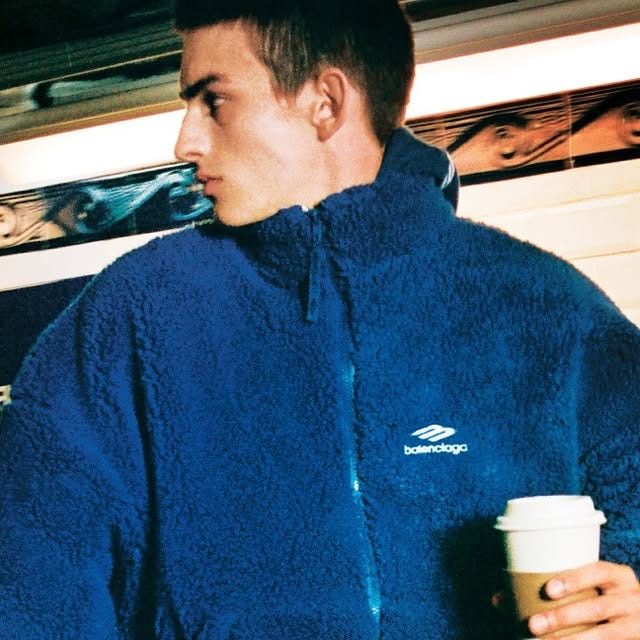
But the gear itself is genuinely technical: parkas with integrated ventilation, cargo ski pants (surprisingly cool), ski pass holders, battery-saving pockets, articulated knees. The kind of details you’d find on Arc’teryx or Patagonia, but filtered through Balenciaga’s glitchy, oversized, slightly dystopian aesthetic. It’s streetwear meets a future where everyone dresses like they’re extras in a Blade Runner remake set in Chamonix.
They’re also making their own (no partnerships) equipment: snowboards, skis, helmets, and poles.
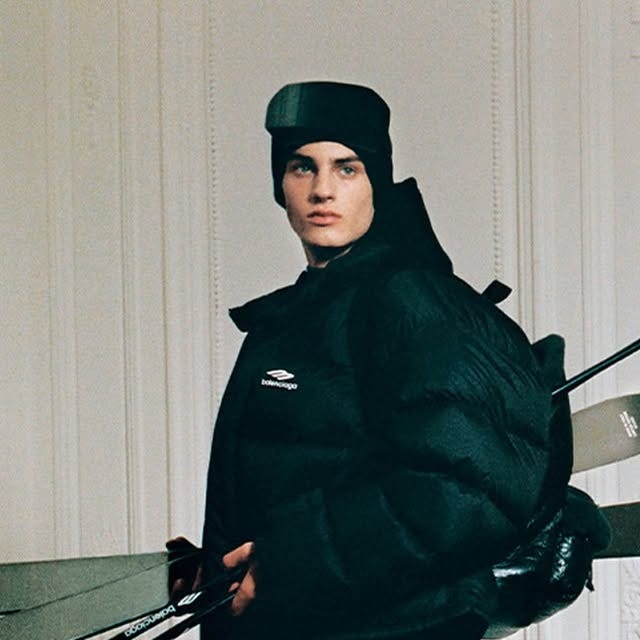
Here’s the interesting question: Will Balenciaga’s core audience (the streetwear kids who turned chunky Triple S sneakers into a cultural moment) actually show up at ski resorts?
Because if they do, that changes something about who’s on the mountain and what ski culture looks like. New audiences don’t just adopt existing culture. They reshape it. Sometimes that’s good. Sometimes it’s complicated. But it’s never neutral.
Hermès: Craftsmanship Carved in Wood
Hermès took a completely different route: they made $18,600 skis.
Each pair is made in France with ash wood cores sourced from the Vercors massif in the French Alps. The topsheet is hand-applied sycamore veneer decorated with artist Evan Hecox’s alpine motif. They’re engineered to perform like racing skis – stable at speed, responsive across variable conditions – and they come in Hermès’ iconic orange box.


Yes, they’re absurdly expensive. But they’re also a statement about craft. The same maison that hand-stitches Birkin bags and makes saddles for horses applied that same artisanal rigor to alpine equipment. They’re treating skis the way serious skiers treat skis: as precision instruments that matter.
In a world of disposable gear and planned obsolescence, there’s something almost defiant about making skis this way. You can dismiss it as excess, but you can’t dismiss the underlying premise: that skis are worth this level of craft and attention.
What This Actually Means for Ski Culture
The fact that Gucci needs Head’s credibility, that Balenciaga has to build real equipment, that Hermès is engineering race-worthy skis – it all points to the same thing: skiing has enough cultural power now that fashion brands can’t just borrow the aesthetic. They have to engage with the real thing.
Maybe it’s younger luxury consumers who actually care about function and authenticity. Maybe it’s social media making it impossible to fake competence. Maybe it’s the rise of ski influencers and athletes who can call out BS immediately. Whatever the reason, technical legitimacy is now required.
Which means skiing is dictating terms to fashion, not the other way around.
But here’s the complication: when major fashion brands commit this hard, they’re not just following culture – they’re shaping it. They’re targeting St. Moritz, Zermatt, Aspen, Jackson Hole. The elite resorts where the money already is. Does this accelerate skiing’s stratification and make certain mountains even more exclusive? Or does it bring unexpected new audiences to the sport (streetwear kids, fashion people, urban crowds who’ve never considered skiing) and diversify who’s on the mountain even as it raises the price of entry?
I don’t have the answer. But what’s undeniable is this: fashion (an industry built on image and surface) is being forced to respect skiing as something real. You can see it in every partnership, every technical spec, every piece of actual equipment these brands are producing.
Fashion isn’t colonizing skiing. Fashion is meeting skiing on skiing’s terms. And that says something kind of powerful about where ski culture sits right now.
If you enjoy this letter, please share with friends! Feel free to respond here with ski-related intel, new products you’re loving, or just to say hi. Thanks for reading 💌